
MX-M M MK hammer mill and Fruit-fracture machine
For a direct comparison, obtain specifications for both machines using the same product and operating conditions.
| Highlighted rows show differences | 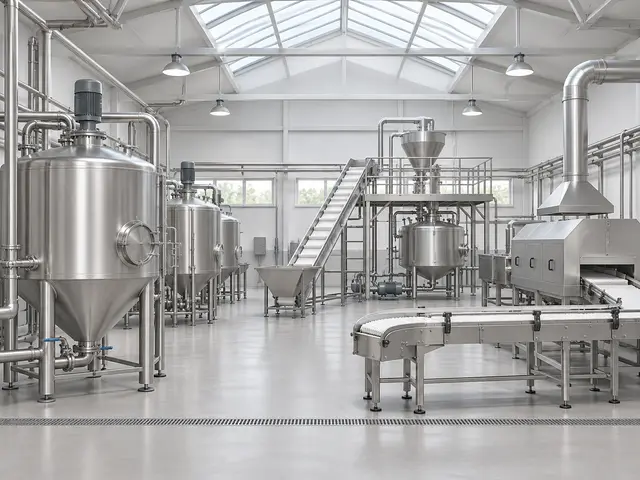 | 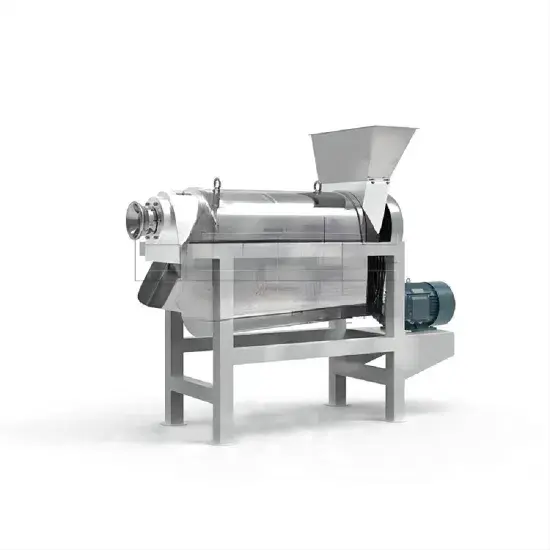 | | |
|---|---|---|---|---|
| Manufacturer | Maxia | Envitro Technomech | Tanroy Engineering | ALPY MACHINERY |
| Model | MX-M | — | — | — |
| Manufacturer country | Mexico | India | Zimbabwe | Türkiye |
| Equipment type | Mill or crusher | Mill or crusher | Mill or crusher | Mill or crusher |
| Throughput, kg/h | 500 | 500 | 500 | 500 |
| Throughput | — | 50/200/500 kg/h | 400–500 kg/h | — |
| MX-MP500 model performance | 500 kg/h | — | — | — |
| Number of hammers MX-MP500 | 12 | — | — | — |
| Engine power MX-MP500 | 1.5 hp | — | — | — |
| Dimensions MX-MP500 | 600 × 600 × 1200 mm | — | — | — |
| Minimum number of orders | — | 1 unit | — | — |
| Engine rating | — | Motor motor with a power of 1 l c/2 l c/3 L s 5 l s | — | — |
| freckling function | — | Fruit fragmentation | — | — |
| Material | — | 304 stainless steel | — | — |
| Automation level | — | Automatic | — | — |
| Suitable fruit/products | — | Fruits, apples, tomatoes | — | — |
| Power source | — | 220 V or 440 V | — | — |
| Applications | — | Commercial fruit processing and juice production (where applicable) | — | — |
| Country of manufacture | — | India | — | — |
| Motor power | — | — | 20 hp | — |
| Rotational speed | — | — | 1500 rpm | — |
| Width | — | — | 900 mm | — |
| Height | — | — | 1800 mm | — |
| Throughput ACB-500 | — | — | — | 400–500 kg/h |
| Throughput ACB-1000 | — | — | — | 750–1 000 kg/h |
| Conditions for measuring productivity | — | — | — | sugar-based tar mass, depending on the recipe and fineness of the mill |
For a direct comparison, obtain specifications for both machines using the same product and operating conditions.
For a direct comparison, obtain specifications for both machines using the same product and operating conditions.
For a direct comparison, obtain specifications for both machines using the same product and operating conditions.
Compare the values for throughput when choosing between the two models. Request throughput data for your product.
For a direct comparison, obtain specifications for both machines using the same product and operating conditions.
The comparable values match. Check the available configurations and operating figures for your product.