Equipment for mozzarella production, stage by stage
Mozzarella production includes milk preparation, coagulation, acidification of the curd, heating and stretching, shaping, cooling, brining and packing.
At a glance
Mozzarella production includes milk preparation, coagulation, acidification of the curd, heating and stretching, shaping, cooling, brining and packing.
Mozzarella is a cheese with a stretchy structure: the cheese mass is melted in hot water and stretched. Therefore, a mozzarella workshop is similar to a cheese factory only at the beginning, and then it needs machines that hard cheese producers do not have: a melter-stretcher, a molder and a brine cooler.
The equipment below is in the order of product movement. Numbers of models - by sections of the Cehmash catalog as of the date of publication; The type section includes machines of the entire class.
1. Preparing milk
The milk is normalized, pasteurized and cooled to coagulation temperature - the same set as for other cheeses.
| Machine | Why | Models in section |
|---|---|---|
| Capacity | reception and storage of milk | 397 |
| Separator | normalization by fat | 26 |
| Dairy equipment | pasteurizers and baths | 376 |
| Pump | pumping milk and whey | 250 |
2. Cheese mass
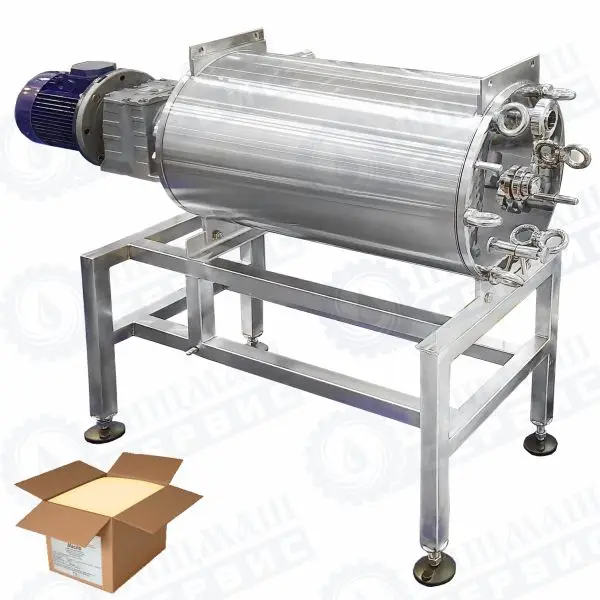
B cheese maker The milk is coagulated, the curd is cut, the grain is kneaded and the whey is drained. Cheese making equipment section - 121 models from 40 manufacturers. For small volumes there are specialized baths: for example, mozzarella from Dairy machine plant.
3. Maturation of cheese mass
The mass should gain acidity, at which point it stretches in hot water. It is kept in a bath or on a table. On large flows, cheddarizers are used - machines that form and maintain a layer of mass; example in the catalog - cheddar maker DONIDO.
The readiness of the mass is checked by tensile testing. The mode depends on the milk and starter culture - check the technology with the line supplier.
4. Melting and pulling
This is the main stage. The mass is cut and fed into hot water, where screws or blades knead and stretch it to a uniform fibrous structure.
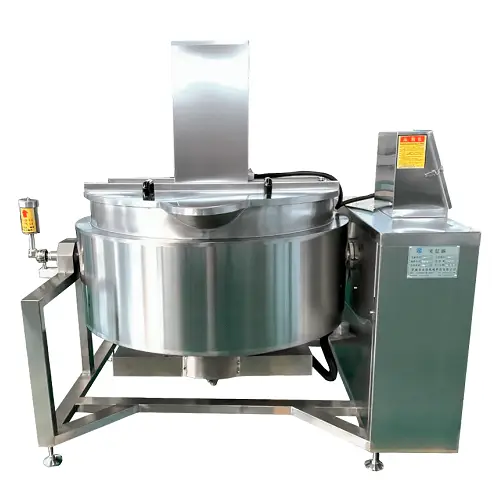
- Small workshop stretches the mass into cooking kettle or a hot water bath - manually or with a stirrer. In the boiler section 194 models from 60 manufacturers.
- Stream production installs the melter-stretcher. Examples: melter and stretcher CS-200 from UZERMAK, Türkiye (the line includes CS-10 and CS-450), Filatrice stretching machine from COMAT, Italy.
Compare stretchers by performance, method of heating water, number of screws and material of contact parts.
5. Forming, cooling and salting
The hot mass is formed into balls, braids or blocks and immediately cooled in cold water, then salted in brine.
- Ball molders: drum type dispenser-moulder from UZERMAK, mozzarella ball forming machine from MILKTEK, Türkiye.
- Cooling and salting baths are made of stainless steel, often with a conveyor; look for them in sections containers and cheese-making equipment.
6. Slicing and packaging
The balls are packed in bags or glasses with brine, the blocks are packed under vacuum. For pizzerias, mozzarella is cut into strips or graters.
- Vacuum Sealer — 73 models;
- Dispenser - packaging in glasses with liquid, 326 models;
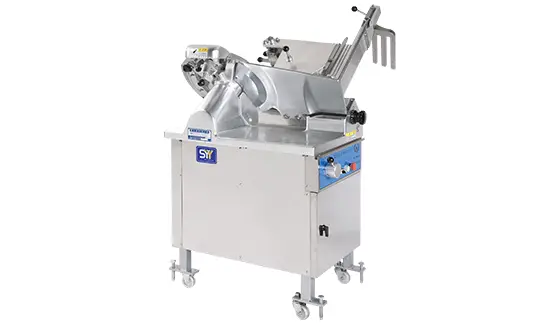
- Slicing: mozzarella strip cutting machine and section slicers.
Ready solutions
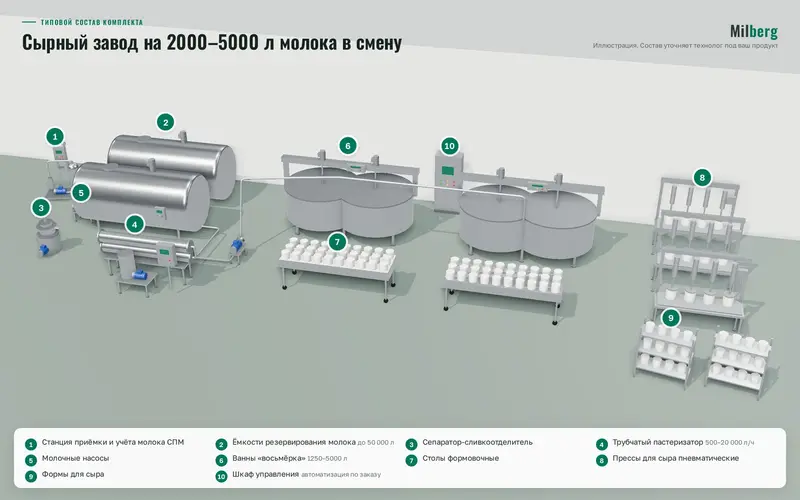
To start, you can take a kit from one manufacturer. The catalog contains Cascaval and mozzarella production line and equipment for stretched cheeses from Milberg, Kazakhstan - for chechil, suluguni and mozzarella.
Questions for the supplier
- What stretcher performance do you claim and at what weight?
- How is water heated and how is the temperature maintained?
- What shapes can be made on the molder: balls, boconcini, blocks?
- Is a cooling bath and a brine bath included in the delivery?
- Do you provide technology and start-up with a cheese maker?
- Is there a declaration TR TS 010/2011 for machines?
When this equipment is not suitable
A stretching melter is needed only for pasta filata cheeses: mozzarella, caciocavallo, suluguni, chechil, kashkaval. For hard and semi-hard cheeses you need a press and a ripening chamber - this is a separate set, disassembled in the hub “Equipment for the production of hard cheese». The article “How to open a mini cheese factory”, and will assemble a selection to suit its volume equipment selection.
Frequently asked questions
01How does the production of mozzarella differ from hard cheese?
Mozzarella is not pressed or aged for months. The cheese mass is brought to the desired acidity, melted in hot water and stretched - this is the pasta filata technology. Therefore, instead of a press and a maturation chamber, a melter-stretcher is needed.
02Is it possible to pull mozzarella by hand?
Yes, small workshops stretch the mass by hand in a bath or boiler with hot water. This limits scope and repetition. The stretch melter with screws gives a stable structure and operates continuously.
03Do you need a ball forming machine?
For balls and boconcini - yes, if the volume is higher than what is formed by hand. For pizza mozzarella blocks, the mass is dosed into molds and cooled; balls are not needed.
04Where can I find suppliers in my country?
Open the desired type in the Cehmash catalog and select the country in the “Supply market” filter. In the model listing, the “Where to buy” block shows suppliers; the application from the listing is stored in Cehmash, and Cehmash helps to contact them.
Sources
Live catalogue counts update automatically. Other model and manufacturer information reflects the catalogue at publication. Ask suppliers for prices and lead times. Found an error? Contact us.
Cooking kettles in the catalogue
All models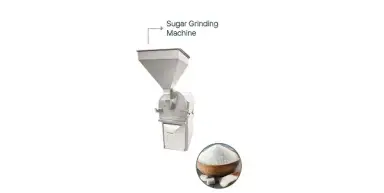
Albarary IndustriesUnited Arab Emirates
Powered tan-wedding machine
Heats and cooks food in a vessel.
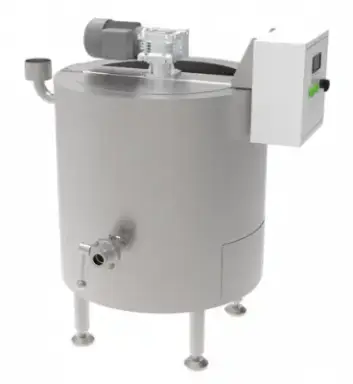
FMGRussia
Electric Barcottle with frame plug KPE-100
Heats and cooks food in a vessel. Volume — 100 L.
19 kW
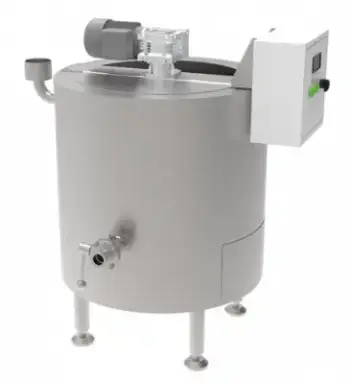
FMGRussia
Electric Barcottle with frame plug KPE-160
Heats and cooks food in a vessel. Volume — 160 L.
28 kW
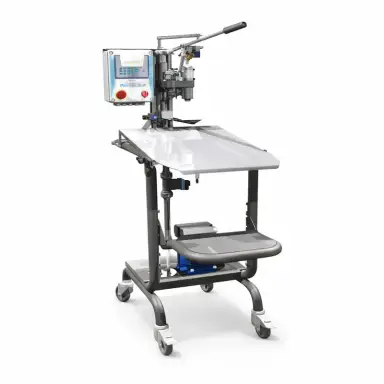
StalmontPoland
Technibag Bib’Up 2.0 semi-manual Bag-in-Box filler
Heats and cooks food in a vessel. Volume — 20 L.