Pasteurised milk production equipment by processing stage
Choose equipment for milk intake, cooling, separation, homogenisation, batch or continuous pasteurisation, filling and cleaning.
At a glance
A small pasteurised milk line needs sanitary intake equipment, refrigerated raw milk storage, a batch vat or continuous pasteuriser, a way to cool and hold the finished milk, and a filler matched to the package. Add separation and homogenisation where the product requires them, and design cleaning and cold storage into the line from the start.
Work backwards from the quantity of chilled milk you expect to pack each day and the bottle or pouch size. Size the line for peak milk intake and realistic output per shift, including chilled storage and wash time.
1. Receive and measure the milk
A small dairy can begin with a sanitary pump, intake filter and measurement appropriate to its operation. A larger site can combine a pump, meter and filters in a reception skid. Plan incoming milk checks and a connection that can be cleaned between deliveries.
2. Chill and store raw milk
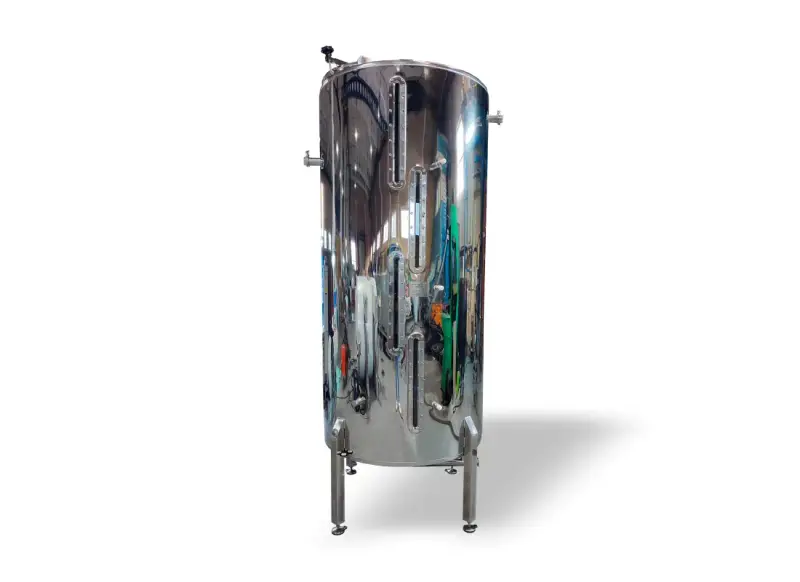
Choose a jacketed or refrigerated tank with agitation suited to milk. Size it against your largest planned intake and how long raw milk may have to wait for processing. Include an accessible outlet and confirm whether the tank requires a separate chilled-water system. Keep raw and pasteurised milk circuits separated in the piping layout.
3. Clarify and standardise
A centrifugal clarifier removes suspended material. A cream separator splits cream from skim milk so you can blend to the target fat content or divert cream to another product. Specify the separator output at the feed temperature and fat content you expect. Allow for a separate chilled tank if you will retain the cream.
4. Homogenise if the product requires it
A high-pressure homogeniser reduces the size of milk fat globules to limit creaming in the finished pack. Match the working pressure and flow to the product and the pasteuriser. Give the supplier the intended milk temperature and target fat range so it can specify the correct configuration.
5. Pasteurise and cool
| System | Use case | Items to check |
|---|---|---|
| Batch vat | Short runs or several recipes | Working volume, agitation, timing and recording, heat-up and cooling time |
| Continuous high-temperature short-time (HTST) system | Sustained production | Flow at the required holding time, flow diversion, temperature records and heat recovery |
A continuous system typically has a heat exchanger, holding section and cooling sections. Ask the supplier how the timing, diversion and recording functions are tested. A batch vat can cool through its jacket or discharge to a separate approved cooling arrangement. Check that the chiller can handle the full planned output. Have the applicable requirements and the proposed process reviewed for your product and facility. The CFIA batch system guidance describes the equipment and records expected for batch processing in Canada.
6. Fill and code the pack
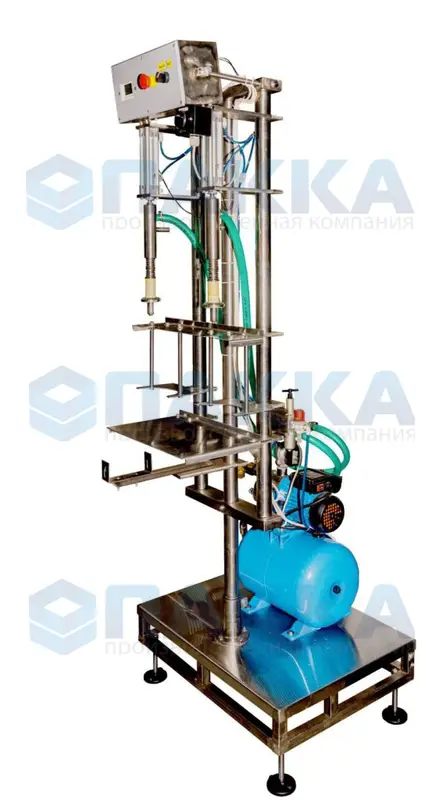
A pouch filler forms or handles flexible packs. For PET or glass bottles, specify a bottle filler and capper matched to the neck finish and closure. If several bottle sizes share the same machine, allow time to swap guides and adjust filling. Keep pasteurised milk protected during transfer, filling and cold storage. Check local packaging and labelling requirements before purchasing the coder and labeller.
7. Clean the line
Agree on a cleaning method for each tank, transfer line and filler before purchase. A clean-in-place (CIP) skid circulates the required cleaning and rinse solutions through compatible equipment. Decide which components still need dismantling and manual cleaning. Include drains, water supply, chemical handling and cleaning time in the equipment and site budget.
What to buy first and where to compare
- Choose the pasteuriser and cooling system as a pair. Establish the usable output per shift.
- Size raw and finished milk tanks around the delivery and filling schedule, then choose the filler for the pack.
- Match the separator and homogeniser to the process if needed. Specify the cleaning equipment and utilities alongside the production equipment.
Mill Dairy Service lists batch pasteurisers in the UK, and MicroDairy Designs publishes vat and filling equipment for small dairies in the US. Compare catalogue listings for dairy machinery in the UK or Ireland, and tanks in Canada, Australia or New Zealand. Ask the supplier to confirm suitability for milk, installation at your site and availability of local service.
A filler sized to the pasteuriser’s nominal hourly rate can still sit idle during batch heating, cooling and cleaning. Ask suppliers to walk through a complete shift with your batch schedule before comparing quotes. If the same dairy will produce fermented products, see yoghurt production equipment. Use equipment selection to start a shortlist.
Frequently asked questions
01Should a small dairy choose a batch vat or a continuous pasteuriser?
A batch vat suits smaller runs and frequent product changes. A continuous system suits sustained volume and can recover heat from outgoing milk. Compare output after allowing for filling, heating, holding, cooling and cleaning.
02Does drinking milk need to be homogenised?
Homogenisation reduces cream separation. A deliberately cream-top product may use unhomogenised milk. Make that choice before specifying the pump, pasteuriser and packaging line.
03When is a cream separator needed?
Choose a separator when you want to draw off cream or standardise the fat content. If you sell milk at its natural fat content, design the intake filtration and check that the product meets its specification.
04What should I check before ordering the filler?
Confirm the package material, size, closure, food-contact documentation and space for the required coding and label. Ask the supplier to demonstrate fill accuracy and sealing on your actual containers.
Sources
Live catalogue counts update automatically. Other model and manufacturer information reflects the catalogue at publication. Ask suppliers for prices and lead times. Found an error? Contact us.
Dairy equipment in the catalogue
All models
ZAVOD MOLOCHNYH MASHINRussia
VDP-200E pasteurizing bath
For processing milk and making dairy products. Volume — 200 L.
12 kW
PISCHMASHSERVICERussia
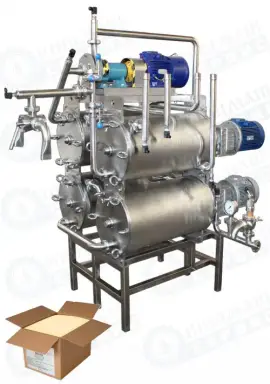
Dairy equipment OM-T-4
For processing milk and making dairy products. Power — 17 kW.
CERTUS GROUPRussia
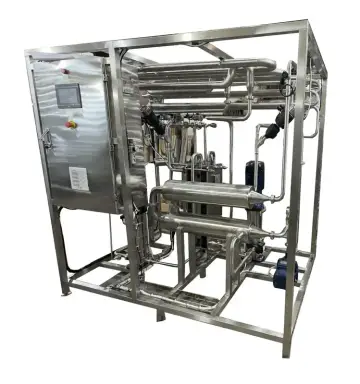
POU-2000P Pasteurization and Cooling Plant
For processing milk and making dairy products. Power — 5 kW.
PISCHMASHSERVICERussia
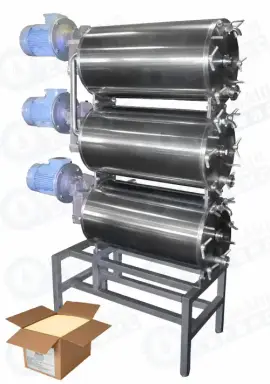
BARABAIN ASLOBING OM-T-3 FOR THE PRODUCTION OF A LIMIT ASL (3x cylinder)
For processing milk and making dairy products. Power — 9 kW.