Yoghurt production equipment by processing stage
Plan a set or stirred yoghurt line, from milk preparation and pasteurisation to fermentation, chilling, cup filling and sealing.
At a glance
Yoghurt production starts with preparing and pasteurising a milk mix, then cooling it to the culture supplier’s specified inoculation temperature. Set yoghurt is filled into its retail packs before incubation. Stirred yoghurt ferments in a tank, then is stirred, chilled and filled. That choice determines whether to budget for an incubation room or larger fermentation tanks and a filler for viscous product.
Choose set or stirred yoghurt before ordering tanks, fillers or refrigeration. The two processes share a milk preparation section, but the order of fermentation, chilling and filling changes the layout and the time each machine is occupied.
| Set yoghurt | Stirred yoghurt | |
|---|---|---|
| Where it ferments | In the filled retail pack | In a jacketed fermentation tank |
| When it is filled | After inoculation and before incubation | After fermentation, stirring and cooling |
| Typical texture | Intact gel | Stirred, spoonable or drinkable depending on the formulation |
| Equipment that drives the layout | Cup filler, incubation space and pack cooling | Fermentation tanks, gentle transfer and a filler for viscous product |
1. Receive the milk and prepare the mix
Test and chill incoming milk, then store it in a sanitary dairy tank. Set the target fat and solids content for the recipe. A separator can help standardise fat, and a powder mixer can disperse dried ingredients where the recipe calls for them. When comparing mixers, use the intended powder and batch size to check dispersion and foaming.
2. Homogenise as the recipe requires
Homogenisation reduces creaming and can help achieve a consistent texture. Specify the homogeniser for the planned flow, fat content and operating pressure. Confirm the need for this stage and the equipment settings in trials using the actual milk mix.
3. Pasteurise the mix
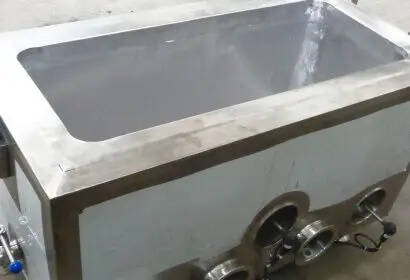
A suitable jacketed batch vat can heat, hold and cool the mix, and may also be used for stirred yoghurt fermentation. For higher throughput, consider a continuous pasteuriser with a heat exchanger, holding section and separate fermentation tanks. The chosen heat treatment also influences texture, so review it with the dairy technologist for this formulation. For the US market, the FDA compliance guide covers the timing of pasteurisation relative to culture addition and the finished yoghurt requirements.
4. Cool to the inoculation temperature and add culture
Cool the mix to the temperature specified for the culture and add the measured dose under hygienic conditions. Specify a chiller, thermometer and mixing arrangement for the vat size. Send liquid mix to the cup filler for set yoghurt or hold it in the fermentation tank for stirred yoghurt.
5. Ferment and chill
- Set yoghurt. Fill and close cups, then incubate them in a room or cabinet with uniform temperature. Plan the number of cup racks per batch and how they will move to cooling without disturbing the gel.
- Stirred yoghurt. Use a jacketed tank, suitable agitator and temperature and pH monitoring. Once the validated endpoint is met, stir and cool the yoghurt according to the process. Specify gentle transfer and verify the final texture after pumping and filling.
Allow chilling capacity for the largest batch. Slow cooling can allow fermentation to continue and change the finished acidity. Record the time, temperature and endpoint measurements required by the process and food safety plan.
6. Fill, seal and code
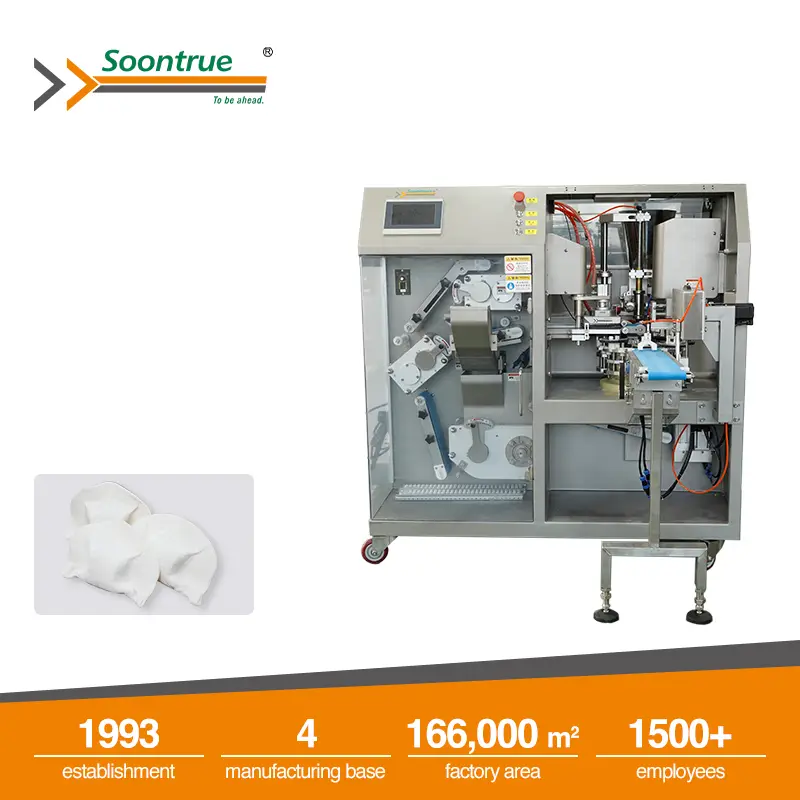
For smaller runs, combine a sanitary doser with a separate cup sealer. A larger line can feed cups, dose yoghurt and fruit, seal lids and apply lot or date codes. Trial the filler on the actual chilled yoghurt, fruit preparation, cup and lid. Specify cleaning access and confirm seal quality at production speed.
Where to buy and how to compare layouts
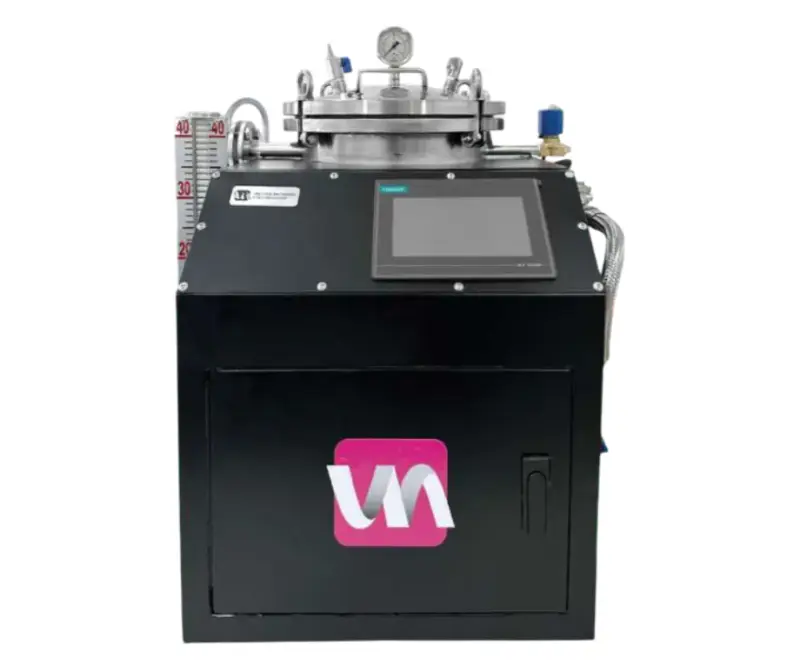
Mill Dairy Service lists dedicated yoghurt pasteurisers in the UK. MicroDairy Designs offers US-market equipment for small batch dairies, including a vat configurable for yoghurt incubation. Tetra Pak UK publishes an example of a continuous dairy pasteuriser for yoghurt mix.
Compare UK dosing equipment, Irish dosing equipment, and tanks in Canada, Australia or New Zealand. These listings cover several applications. Confirm dairy suitability, availability at your site and local technical support for the specific machine.
For a small installation, price the vat, cooling, filler and sealer together. For set yoghurt, include incubator capacity and chilling of filled packs. For stirred yoghurt, include the number of fermentation tanks needed for the shift, sanitary pumps and a filler suited to the finished product. For a turnkey quote, ask which party supplies refrigeration and clean-in-place (CIP) equipment, then verify the promised output including incubation, cooling and washing. See the pasteurised milk equipment guide if the dairy will share a milk preparation section.
Frequently asked questions
01How does equipment for set yoghurt differ from equipment for stirred yoghurt?
A set line fills an inoculated liquid mix and incubates the cups in a controlled room or cabinet. A stirred line incubates the mix in a temperature-controlled tank, then transfers the chilled, stirred yoghurt to a filler suited to its viscosity.
02Can yoghurt and kefir share a line?
Milk preparation, pasteurisation and some filling equipment can be shared if they suit both products. Allow separate culture and process controls, tank time for each product, and sufficient time to clean and verify the line between runs.
03What is the minimum equipment for a small yoghurt dairy?
For stirred yoghurt, start with a suitable batch vat and cooling system, a filler and cup sealer, a refrigerated room and a documented cleaning setup. Set yoghurt also needs controlled incubation and a way to chill the filled cups.
04What equipment is needed to add fruit?
For blended stirred yoghurt, mix in the fruit preparation or meter it into the product stream before filling. For fruit on the bottom, use a separate dosing station or a filler with separate heads. Test the dosing system with the largest fruit pieces.
Sources
Live catalogue counts update automatically. Other model and manufacturer information reflects the catalogue at publication. Ask suppliers for prices and lead times. Found an error? Contact us.
Tanks and vessels in the catalogue
All models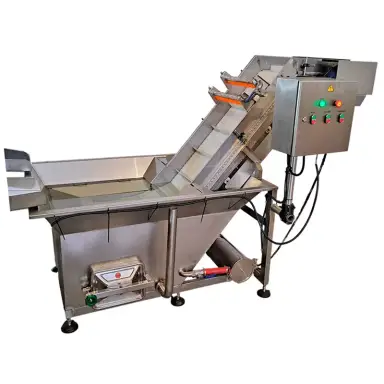
BESTEQ-ENGINEERING LLCRussia
BESTEQ TEB-1000 feed tank with elevator
Holds product during storage or processing. Throughput — 2,000 kg/h.
1,800 L1.5 kW
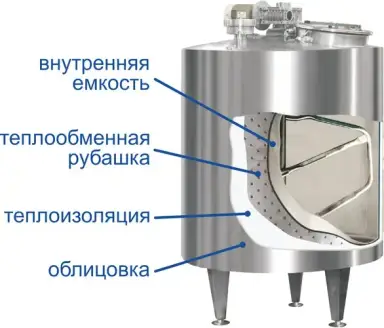
MOLOCHNYE MASHINY RUSSKIH, SELMASHRussia
Production and storage of dairy products in capacitors
Holds product during storage or processing. Volume — 6,300 L.
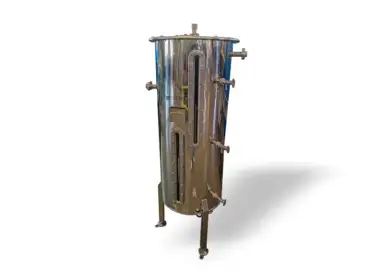
CHEMICAL PROCESS EQUIPMENT PLANTRussia
MSh-100 class 1 volumetric measuring vessel
Holds product during storage or processing. Volume — 100 L.
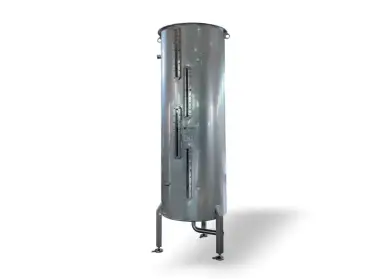
CHEMICAL PROCESS EQUIPMENT PLANTRussia
MSh-1000 class 1 volumetric measuring vessel
Holds product during storage or processing. Volume — 1,000 L.